


🧠 Neurological Rehabilitation After a Stroke (Cerebrovascular Accident)
Regain control, rebuild your abilities, and improve your quality of life
What Is a Stroke?
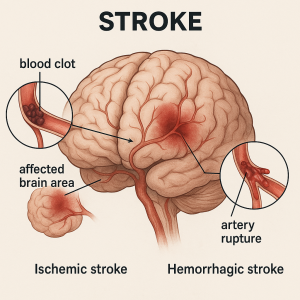
A stroke, or cerebrovascular accident (CVA), occurs when blood flow to a part of the brain is interrupted. This can be:
- Ischemic: a blood clot blocks a vessel, preventing blood and oxygen from reaching the brain.
- Hemorrhagic: a blood vessel ruptures, causing bleeding in the brain tissue.
The severity of the consequences depends on the area of the brain affected and its role in the body. The larger the affected area, the more significant the potential impairments.
Common Effects of a Stroke
Depending on the damage, a stroke can cause:
- Hemiplegia (paralysis on one side of the body)
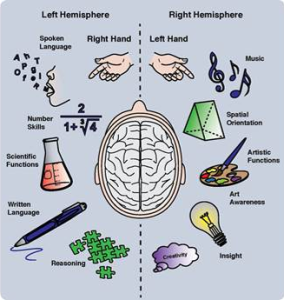
- Aphasia (difficulty speaking, understanding, reading, or writing)
- Cognitive impairments (memory, attention, problem-solving)
- Spasticity, balance issues, foot drop, visual disturbances
Common Causes of Stroke:
- Atherosclerosis
- High blood pressure
- Aneurysms
- Vascular malformations
- Sometimes, no clear cause is identified.
🏥 Stroke Rehabilitation at Neuro-Concept: A Specialized and Interdisciplinary Approach
At Neuro-Concept, we offer a science-based, personalized, and human approach to post-stroke rehabilitation. Our programs are designed to maximize recovery, even years after the initial event.
We focus on:
🔹 Spasticity management: Reduce muscle stiffness to improve movement and comfort.
🔹 Complex gait rehabilitation: Relearn safe, functional walking through progressive therapies.
🔹 Upper limb rehabilitation: Restore fine motor skills, strength, and coordination in the arm and hand.
🔹 Speech and cognitive therapy: Improve communication, memory, attention, and executive functions through speech-language and neuropsychological interventions.
🔹 Daily living skills training: Occupational therapy to enhance autonomy in real-life situations (self-care, cooking, transportation, etc.).

⏳ Stroke Recovery: A Long-Term Process
Recovery after a stroke is slow but possible. Thanks to neuroplasticity, the brain can continue to adapt and recover functions over time—even several years later.
💡 The more the brain is stimulated, the greater the recovery potential.
“Progress may be slow, but with consistent work and support, significant recovery is possible.”
🔁 Maintaining the Gains of Rehabilitation
Many people notice that their condition worsens after stopping therapy. Just like elite athletes, stroke survivors must maintain their rehabilitation gains to prevent regression and reduce the risk of recurrence.
👉 Secondary prevention is essential, as:
- 30–45% of people are at risk of a second stroke
- The risk of heart attack or other vascular events is also high
🛡️ Secondary prevention = a major priority
Prevention involves:
- Managing risk factors (blood pressure, cholesterol, diabetes, etc.)
- Engaging in regular physical activity
👉 To maintain health and prevent future strokes, physical activity is key.
At Neuro-Concept, we offer:
- One-on-one sessions with a kinesiologist
- Tailored fitness programs in a fully accessible gym
💬 Is Recovery Possible Years Later?
Absolutely. Long-term recovery is now recognized as a realistic and achievable goal, regardless of how much time has passed since the stroke. Our neurorehabilitation experts will guide you at every stage of your journey.
Have you or a loved one experienced a stroke?